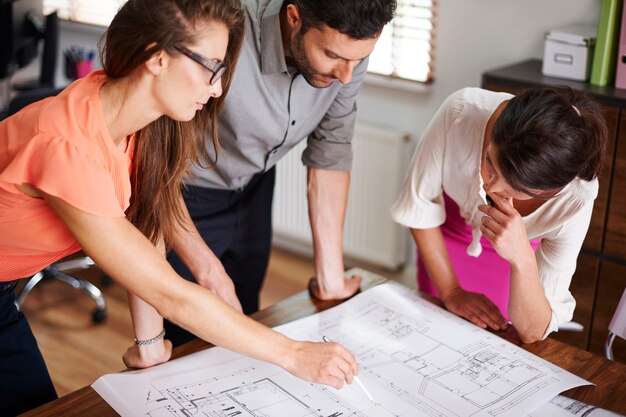
Decoding the Essence of Home Improvement: A Tapestry of Insightful Knowledge

In the intricate fabric of homeownership, the term Home Improvement stands as a beacon of transformative potential. Beyond the mundane connotations, it embodies a profound journey of understanding and applying diverse realms of knowledge. This article endeavors to unravel the multifaceted layers that constitute the essence of Home Improvement and the wealth of knowledge encapsulated within.

The Alchemy of Home Improvement

At its core, Home Improvement is the alchemy that turns a dwelling into a haven. It’s the amalgamation of creativity, functionality, and craftsmanship, orchestrated to elevate the quality of living. From structural enhancements to aesthetic upgrades, every endeavor in this realm is a brushstroke on the canvas of domesticity.

A Symphony of Materials and Methods

To grasp the nuances of Home Improvement, one must delve into the symphony of materials and methods. It’s not merely about choosing colors and textures but understanding the intrinsic properties of materials. The knowledge of which materials harmonize with specific environments and how different methods can be employed to achieve desired outcomes is indispensable.

The Ergonomics of Space Optimization

In the realm of home design, the science of ergonomics plays a pivotal role. It involves understanding the interaction between individuals and their living spaces. The strategic arrangement of furniture, the utilization of space, and the seamless flow from one area to another require an insightful understanding of human behavior within a given environment.

The Green Revolution: Sustainable Knowledge

As environmental consciousness permeates every facet of modern life, Home Improvement has embraced the green revolution. Knowledge about sustainable practices, eco-friendly materials, and energy-efficient technologies has become paramount. The judicious application of this knowledge not only contributes to a healthier planet but also results in homes that are aligned with the ethos of the times.

The Artistry of Aesthetics

While functionality forms the backbone of Home Improvement, aesthetics add the soulful dimension. Understanding design principles, color psychology, and the artistry of creating visual harmony is a profound knowledge domain. The marriage of functionality and aesthetics culminates in spaces that are not just practical but visually enchanting.

Financial Wizardry: Budgeting and Cost Management

No discourse on Home Improvement is complete without delving into the realm of financial wisdom. Budgeting, cost estimation, and resource management constitute a formidable knowledge base. The ability to navigate the financial landscape ensures that the vision of an improved home doesn’t succumb to fiscal challenges.

DIY Mastery: Empowering Homeowners

Empowering homeowners with the knowledge and skills to undertake do-it-yourself (DIY) projects is a significant aspect of Home Improvement. From basic carpentry to intricate decor crafts, DIY mastery is a testament to the democratization of knowledge in the realm of home enhancement.

Technological Integration: The Smart Home Frontier

In the contemporary landscape, technological integration is a frontier that demands continuous exploration. The knowledge of smart home systems, automation, and cutting-edge technologies is instrumental. It transforms homes into intelligent living spaces that adapt to the evolving needs and preferences of the occupants.

The Psychology of Home: Creating Emotional Resonance

Understanding the psychology of home is an art that goes beyond the physicality of spaces. It involves creating environments that resonate emotionally with the inhabitants. The knowledge of how design elements influence mood, the impact of natural light, and the importance of personalized spaces contributes to homes that are not just beautiful but emotionally fulfilling.

The Ever-Evolving Tapestry of Trends

Home Improvement exists in a dynamic ecosystem of trends. Staying abreast of emerging styles, materials, and technologies is an ongoing pursuit. The knowledge of trends enables homeowners to infuse a sense of contemporaneity into their living spaces, ensuring that they remain relevant and appealing.

The Legacy of Knowledge: Passing the Torch

As the journey of Home Improvement unfolds, it becomes a legacy of knowledge worth passing down. Whether it’s teaching the next generation the art of carpentry or sharing insights on sustainable practices, the knowledge acquired in the pursuit of enhancing homes becomes a valuable inheritance.

In conclusion, Home Improvement is not merely a physical transformation of spaces; it’s an odyssey of understanding and applying diverse knowledge domains. From the alchemy of design to the financial wizardry of budgeting, each facet contributes to the creation of homes that are not just structures but reservoirs of wisdom and refinement. It’s a journey where the essence of knowledge intertwines with the very fabric of domesticity, creating a narrative that is both enriching and enduring.
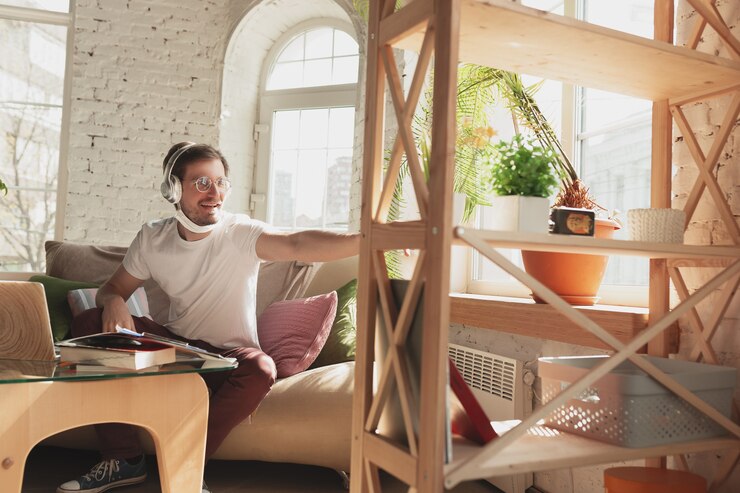
Crafting Comfortable Abodes: Unveiling the Enigma of Lucrative Home Improvements

Embarking on the realm of home improvement, we often find captivating tales of houses transcending the ordinary, not through opulence but by being sanctuaries of comfort. In the intriguing world of real estate, where design meets dollars, stories unfold of residences fetching remarkable prices despite a lack of ostentatious luxury. Let’s delve into the fascinating news about houses sold for substantial sums, their allure emanating from the subtle yet profound touch of thoughtful home improvement.

The Unassuming Charisma of Cozy Dwellings

In the ever-evolving real estate landscape, the news buzzes with stories of houses that defy the conventional notion of luxury. These are not mansions adorned with gold leaf accents but rather unassuming dwellings that exude an irresistible charm. The secret lies in their transformation through the artistry of home improvement.

Strategic Enhancements: Beyond Superficial Splendor

What sets these homes apart is a strategic approach to enhancement. It’s not about extravagant chandeliers or marble-clad foyers; instead, it’s the thoughtful additions and modifications that cater to the comfort and functionality of the occupants. These strategic enhancements redefine the living experience without relying on superficial splendor.

Comfort-Centric Designs: The Epitome of Elegance

The design ethos revolves around creating spaces that prioritize comfort without compromising on elegance. Imagine a cozy reading nook bathed in natural light or a well-ventilated kitchen that becomes the heart of the home. Such comfort-centric designs redefine luxury by focusing on the nuances that enhance daily living.

Harmonizing Functionality and Aesthetics

In these noteworthy houses, home improvement is not a mere aesthetic upgrade but a harmonious blend of functionality and beauty. Every renovation decision is a meticulous dance between form and purpose. From space-saving storage solutions to energy-efficient fixtures, each element contributes to the overall allure.

The Allure of Outdoor Spaces

While opulent estates boast sprawling lawns, these comfortable abodes emphasize the allure of outdoor spaces tailored for intimacy. Cozy patios with thoughtfully arranged seating, flourishing gardens, and strategically placed lighting transform the exterior into an extension of the interior comfort.

Smart Technology Integration: A Modern Touch

Surprisingly, technology plays a pivotal role in the home improvement narrative. Houses equipped with smart technologies that enhance convenience, security, and energy efficiency have a distinct appeal. The integration of these modern marvels adds a layer of sophistication, making these homes coveted in the competitive real estate market.

Personalization Beyond Trends

Unlike homes that scream of the latest design trends, these residences embrace personalization. The interiors reflect the unique tastes and preferences of the occupants. Whether it’s eclectic art collections, vintage furniture, or family heirlooms, these personalized touches add character and warmth.

The Role of Renovation in Resale Value

What unfolds as a common thread in these news-worthy tales is the impact of home improvement on resale value. The judicious application of renovation efforts not only transforms the living experience but also substantially increases the market value of the property. It’s a testament to the notion that comfort and functionality are valued commodities in the real estate arena.

The Market’s Response: A Shift in Perspective

The market’s response to these comfortable yet lucrative houses signifies a shift in perspective. Buyers are increasingly recognizing the intrinsic value of a home that prioritizes livability over lavishness. The demand for such thoughtfully improved properties reflects a nuanced understanding of what defines true luxury in the realm of real estate.

The Verdict: Comfort as the Ultimate Luxury

In the grand tapestry of home improvement, the news of houses fetching substantial sums without relying on extravagant designs sends a resounding message. Comfort, it seems, is the ultimate luxury. It’s the intangible allure that transforms a dwelling into a cherished haven, making it not just a house but a home worth every penny.

In conclusion, the captivating stories of houses sold for significant amounts, despite a lack of ostentatious luxury, unravel the enigma of lucrative home improvement. These tales emphasize that the true value lies in creating spaces that prioritize comfort, functionality, and personalization. It’s a testament to the evolving definition of luxury in the real estate landscape, where the allure of a home is not measured by its grandeur but by the harmony it brings to the lives within its walls.

Crafting Aesthetic Excellence: Elevating Your Dwelling through Home Improvement

Embarking on the journey of home improvement is akin to orchestrating a symphony of aesthetic elements that collectively elevate the visual allure of your dwelling. In this discourse, we shall unravel the secrets of transforming your house into a visual masterpiece, unraveling the nuances of making your abode better to behold.

Harmonizing Hues: The Palette Perfection

The cornerstone of visual enhancement lies in the meticulous selection of colors. Embrace a palette that resonates with your taste and complements the architectural nuances of your dwelling. Consider bold contrasts for focal points and soothing tones for areas of relaxation, creating a harmonious visual melody.

Luminescent Alchemy: Lighting Wizardry

Illuminate your living spaces with a touch of luminescent alchemy. Strategic placement of fixtures, pendant lights, and ambient lighting can metamorphose the ambiance. Opt for fixtures that not only serve a functional purpose but also double as statement pieces, adding a touch of sophistication to your illuminated haven.

Textural Tapestry: Weaving Sensory Elegance

Dive into the realm of textural tapestry by incorporating diverse materials. From plush fabrics to sleek metals, each texture contributes to a sensory journey. Consider juxtaposing the softness of textiles with the sleekness of glass or the warmth of wood, creating a visual and tactile symphony.

Furniture Choreography: Spatial Ballet

Treat your living spaces as a canvas for furniture choreography. Optimize spatial layout with a keen eye on flow and functionality. Choose pieces that not only serve a purpose but also contribute to the visual narrative. A well-choreographed spatial ballet enhances both aesthetics and usability.

Foliage Flourish: Botanical Ballet

Infuse life into your living spaces with a botanical ballet. Indoor plants not only oxygenate the air but also act as natural sculptures. Consider large statement plants as focal points and smaller green accents to breathe life into nooks and crannies, creating a vibrant and refreshing atmosphere.

Artistry on Walls: The Mural Symphony

Elevate your walls to the status of an art gallery. Incorporate murals, paintings, or even textured wallpapers that tell a story. Opt for pieces that resonate with your personality, adding an element of personalization to your living spaces. The walls become canvases for your aesthetic expression.

Window Couture: Drapery Dynamics

Adorn your windows with drapery that complements the overall design aesthetic. Experiment with patterns, textures, and lengths to create a dynamic visual effect. Well-curated drapery not only frames your views but also adds a layer of sophistication to the architectural landscape.

Architectural Flourish: Statement Elements

Introduce architectural elements that serve as visual anchors. This could range from a statement staircase to a uniquely designed fireplace. These elements not only contribute to the overall aesthetic but also become conversation starters, adding a layer of architectural sophistication.

Artisanal Accents: Handcrafted Elegance

Incorporate artisanal accents that showcase handcrafted elegance. From handwoven rugs to intricately carved sculptures, these accents add a layer of authenticity to your living spaces. Each piece tells a story, contributing to the narrative of your dwelling.

Reflective Illusions: Mirrored Magic

Infuse a touch of mirrored magic to create reflective illusions. Mirrors not only amplify natural light but also create a sense of expansiveness. Consider placing mirrors strategically to enhance the visual depth of your living spaces, making them appear larger and more inviting.

Exterior Enchantment: Curb Appeal Alchemy

Extend the visual allure beyond your interiors with curb appeal alchemy. Thoughtfully design your exterior spaces, incorporating landscaping, outdoor lighting, and architectural elements. A well-designed exterior sets the stage for a captivating dwelling, making it a visual delight from every angle.

In conclusion, the art of making your house better to look at transcends the mundane and ventures into the realm of curated aesthetics. It’s a symphony of colors, textures, and elements that dance together to create a visual masterpiece. Embrace the nuances of home improvement as a means to sculpt an environment that not only appeals to the eyes but also resonates with the essence of your unique taste and style.

Unveiling the Splendors: The Profound Benefits of Home Improvement

In the realm of homeownership, the concept of home improvement transcends mere renovations and embellishments. It is a dynamic process that not only enhances the aesthetic appeal of living spaces but also contributes to the overall well-being of inhabitants. Let’s delve into the manifold benefits that unfold when the tapestry of a home is intricately woven with the threads of improvement.

Elevating Aesthetic Panache

The aesthetic transformation imparted by home improvement is akin to an artistic brushstroke on the canvas of living spaces. Whether it’s a fresh coat of paint, stylish flooring, or modern fixtures, the visual allure of a revamped home resonates with inhabitants and visitors alike. The meticulous curation of design elements reflects a commitment to a refined lifestyle.

Augmenting Property Value

Beyond the visual allure, home improvement serves as a shrewd investment in the financial realm. Upgrading key features, embracing modern technologies, and enhancing curb appeal collectively contribute to an increase in property value. A home that has undergone thoughtful improvements becomes not just a sanctuary but also a valuable asset in the competitive real estate landscape.

Functional Optimization

Home improvement is the compass that navigates towards optimizing functionality. Spaces are tailored to suit the evolving needs of inhabitants, ensuring that every nook and cranny serves a purpose. From reimagining kitchen layouts to creating multifunctional areas, the improved functionality adds a layer of practicality to daily living.

Energy Efficiency: The Green Revolution

Embracing sustainable practices is an integral facet of contemporary home improvement. The integration of energy-efficient appliances, smart home technologies, and eco-friendly materials not only reduces the ecological footprint but also translates into tangible savings on utility bills. The modern homeowner finds solace in a space that aligns with environmental consciousness.

Emotional Well-being and Comfort

The link between the physical environment and emotional well-being is undeniable. Home improvement contributes to the creation of a haven where comfort is paramount. The meticulous selection of furnishings, ambient lighting, and personalized touches crafts an environment that fosters tranquility and joy, promoting mental health and overall happiness.

Personalization and Identity

A home is an extension of one’s identity, and home improvement is the tool for personalization. Each upgrade, from customized cabinetry to bespoke decor, weaves a narrative that mirrors the tastes and preferences of the inhabitants. The result is not just a physical space but a reflection of personal identity etched into the walls.

Future-Proofing Resilience

As lifestyles evolve and families grow, home improvement becomes a strategic approach to future-proofing resilience. The incorporation of adaptable features, such as flexible living spaces and technology-ready infrastructure, anticipates the changing needs of inhabitants. This forward-thinking approach safeguards the longevity and relevance of the home.

Stress Reduction through Organization

The clutter-free oasis born out of effective home improvement isn’t merely visually pleasing; it also contributes to stress reduction. Thoughtful organization solutions, be it in the form of built-in storage or clever spatial planning, create an environment where chaos gives way to calm, fostering a serene living experience.

Enhanced Security and Safety

The fortification of home security is a paramount aspect of home improvement. Upgrading door locks, installing surveillance systems, and reinforcing windows not only deter potential threats but also provide inhabitants with a heightened sense of safety. A secure home is the cornerstone of peace of mind.

Social Magnetism

A home that undergoes continuous improvement radiates a magnetic appeal in social circles. From hosting gatherings in an aesthetically pleasing environment to becoming a conversation piece, the socially magnetic impact of home improvement extends beyond the confines of personal space.

Conclusion: The Ever-Unfolding Tapestry

In the grand tapestry of homeownership, home improvement is the thread that weaves a narrative of transformation, enhancement, and well-being. It is an ongoing journey, an ever-unfolding story of elevating aesthetics, fortifying security, and embracing the evolving needs of inhabitants. The benefits are not confined to the tangible; they extend to the intangible realms of emotional well-being, personal identity, and a sanctuary that stands resilient in the face of change. The profound impacts of home improvement echo through the corridors of time, shaping not just spaces but the very essence of the lives lived within them.

Elevating Property Worth: The Art of Home Improvement

In the ever-evolving realm of real estate, the strategic implementation of home improvements serves as an invaluable tool for amplifying the intrinsic value of a property. Beyond mere aesthetics, these enhancements weave a narrative of care and attention to detail, making a compelling case for increased property valuation. Let’s explore the intricacies of how judicious home improvements can be the catalyst for a substantial uptick in your home’s worth.

1. Curb Appeal: The Allure of First Impressions

The journey of home improvement value augmentation often commences at the entrance – the point where first impressions are etched. Elevating the curb appeal through meticulous landscaping, a fresh coat of paint, or even the installation of an aesthetically pleasing front door instantly communicates a sense of pride in ownership. The allure of a well-groomed exterior sets the tone for the entire property.

2. Energy-Efficient Upgrades: A Technological Boost

Integrating energy-efficient upgrades not only aligns with contemporary environmental concerns but also adds a layer of technological sophistication to your property. Consider investing in solar panels, energy-efficient windows, or a smart home thermostat. These additions not only lower utility bills but also present a forward-thinking approach that enhances perceived value.

3. Kitchen Renovation: The Heart of Home Valuation

The kitchen, often referred to as the heart of a home, holds substantial weight in determining property value. A kitchen renovation that combines functionality with aesthetic appeal can be a game-changer. Consider modernizing appliances, upgrading countertops, or opting for a trendy backsplash. The marriage of style and practicality in the kitchen resonates strongly with potential buyers.

4. Luxurious Bathrooms: Spa-like Retreats

Transforming bathrooms into spa-like retreats elevates the overall allure of a home. Features such as a rain shower, dual sinks, or even heated floors contribute to a sense of luxury. A well-appointed bathroom not only enhances daily living but also communicates a commitment to comfort and opulence.

5. Smart Home Integration: Technological Finesse

The integration of smart home technology has transcended novelty to become a key player in the realm of home value augmentation. From intelligent security systems to automated lighting and thermostats, these features not only enhance convenience but also position the property as modern and tech-savvy, appealing to a broad spectrum of prospective buyers.

6. Extension or Addition: Maximizing Space

Expanding living space through an extension or addition can significantly impact property value. Whether it’s a sunroom, an extra bedroom, or a home office, the creation of additional square footage provides versatility and addresses the evolving needs of homeowners. A well-designed extension seamlessly integrates with the existing structure, avoiding a disjointed appearance.

7. Landscaping Enhancements: Natural Elegance

The outdoor space of a property is often an underutilized canvas for value enhancement. Thoughtful landscaping enhancements go beyond mere garden upkeep. Consider features like a well-designed patio, strategically placed lighting, or even the addition of native plants. A harmonious outdoor space extends the living area and adds a touch of natural elegance.

8. New Flooring Installation: Foundations of Style

Underfoot aesthetics wield significant influence on a property’s perceived worth. The installation of new flooring, be it hardwood, laminate, or upscale tiling, breathes new life into spaces. The visual impact and the tactile pleasure of quality flooring contribute to an overall sense of luxury and sophistication.

9. Roof Renovation: Aesthetic and Structural Integrity

The roof, often out of sight and out of mind, plays a pivotal role in a property’s structural integrity. A well-maintained and visually appealing roof not only safeguards the home but also enhances its overall aesthetic. A roof renovation that addresses both functionality and appearance reassures potential buyers of the property’s long-term value.

10. Paint Palette Selection: The Art of Color

The choice of color isn’t a mere visual decision; it’s a psychological one that can impact a property’s perceived value. Opting for a contemporary and neutral color palette creates a canvas that allows potential buyers to envision their own style in the space. The artful selection of paint colors is an often underestimated yet influential aspect of home improvement.

Conclusion: A Symphony of Value

In the realm of real estate, where first impressions linger and functionality intertwines with aesthetics, the orchestration of home improvements emerges as a symphony that resonates with heightened property value. From the meticulous craftsmanship of a kitchen renovation to the technological finesse of smart home integration, each note contributes to a crescendo of increased worth. In the artful dance of property enhancement, strategic home improvements stand as the choreographers, sculpting a narrative that elevates your home from mere dwelling to prized asset.

Crafting Comfort: The Art and Benefits of Thoughtful House Design

House design is an intricate dance, a symphony of aesthetics and functionality that culminates in the creation of a living space. Amidst the myriad aspects that define an expertly designed house, one element stands out prominently—the creation of a comfortable room. Let’s delve into the intricacies of house design and explore the manifold benefits that arise from the intentional crafting of comfortable spaces.

The Foundation of Comfort: Ergonomic Furnishings

At the core of any comfortable room lies the selection of ergonomic furnishings. These aren’t merely pieces of furniture; they are meticulously chosen elements that seamlessly blend with the spatial dynamics, fostering a harmonious balance between form and function. From the curvature of a chair to the plushness of a sofa, each detail contributes to the overall comfort quotient.

Illuminating Ambiance: Lighting’s Role in Comfort

The play of light is a subtle yet crucial aspect of house design that profoundly influences the comfort level of a room. Strategically placed lighting fixtures, embracing both natural and artificial sources, create an ambiance that transcends mere functionality. A comfortable room basks in the glow of well-thought-out illumination, casting away shadows and infusing warmth.

Temperature Harmony: Climate Control and Comfort

Comfort extends beyond the tactile to encompass the very atmosphere within a room. Climate control, achieved through intelligently designed ventilation and heating systems, ensures that a room remains a haven of comfort, irrespective of external weather conditions. A comfortable room maintains an optimal temperature, allowing inhabitants to relish their space in any season.

Acoustic Serenity: Soundscapes of Comfort

In the pursuit of a comfortable room, the acoustic landscape should not be overlooked. Thoughtful soundproofing, strategically placed furnishings, and the incorporation of sound-absorbing materials contribute to an environment where tranquility reigns. The absence of intrusive noise fosters a serene haven where comfort is not just felt but heard.

Texture and Touch: Sensory Comfort in Design

House design is an immersive experience that engages all the senses. The texture of surfaces, the feel of fabrics, and the tactile qualities of materials play a pivotal role in crafting a comfortable room. From velvety upholstery to smooth, cool countertops, every touchpoint contributes to the sensory delight of the space.

Biophilic Design: Nature’s Embrace in House Design

Nature has an unparalleled ability to evoke comfort, and integrating it into house design is a growing trend. Biophilic design, which seeks to connect occupants with nature, transforms a room into a haven of tranquility. Indoor plants, natural materials, and ample natural light contribute to a comfortable room steeped in the restorative essence of the outdoors.

Spatial Harmony: Balancing Openness and Coziness

A comfortable room strikes a delicate balance between openness and coziness. Spatial harmony is achieved through thoughtful arrangement, avoiding overcrowding and ensuring that the room breathes. The interplay of proportions and the judicious use of space contribute to an environment that feels both expansive and intimate.

Aromatherapy in Design: Scents for Comfort

House design isn’t limited to visual and tactile elements; it extends to olfactory experiences. A comfortable room engages the sense of smell through subtle and pleasing aromas. Whether through natural ventilation, scented candles, or essential oil diffusers, the olfactory aspect adds another layer to the overall comfort of a space.

Personalization and Emotional Comfort

A comfortable room goes beyond the physical; it resonates on an emotional level. Personalization plays a key role, allowing individuals to infuse their spaces with elements that bring joy and a sense of belonging. From cherished mementos to custom artwork, these personal touches contribute to emotional comfort.

Technology’s Role: Smart Solutions for Comfort

In the contemporary landscape of house design, technology has emerged as a facilitator of comfort. Smart home solutions, from automated climate control to intuitive lighting systems, empower inhabitants to tailor their environment to their preferences. A comfortable room seamlessly integrates technology to enhance the overall living experience.

Flexibility in Design: Adapting to Changing Needs

The nature of comfort is dynamic, evolving with the changing needs of inhabitants. A comfortable room is designed with flexibility in mind, allowing for easy adaptation to varied activities and requirements. Thoughtfully chosen furniture that can be rearranged, multifunctional spaces, and modular design contribute to a dynamic comfort paradigm.

Psychological Comfort: Creating a Haven for Well-being

Beyond the physical and sensory aspects, a comfortable room nurtures psychological well-being. Thoughtful design choices, soothing color palettes, and spaces that foster relaxation contribute to a haven where stress dissipates, and mental well-being flourishes.

Conclusion: The Holistic Comfort of House Design

In the grand tapestry of house design, the creation of a comfortable room stands as a testament to the marriage of art and functionality. From the tactile pleasures of plush furnishings to the intangible embrace of a well-balanced ambiance, comfort in house design is a holistic endeavor. Crafting spaces that not only please the eye but also cradle the soul in comfort is the pinnacle of the designer’s art.

Navigating Space: A Guide to Avoiding Design Pitfalls for a Spacious House

Embarking on the journey of House Design – what to avoid when designing a house so that the room feels more spacious requires a keen understanding of spatial dynamics and design nuances. This article navigates the intricate realm of creating expansive interiors while steering clear of common pitfalls that can encumber a sense of space.

Optimal Furniture Selection

In the orchestration of House Design – what to avoid when designing a house so that the room feels more spacious, selecting furniture becomes a delicate dance. Opt for sleek, multifunctional pieces that serve their purpose without overwhelming the space. Avoid bulky furniture that can congest the visual landscape.

Strategic Color Palette

The color palette wielded in house design is akin to a painter’s brush, shaping perceptions of space. To adhere to House Design – what to avoid when designing a house so that the room feels more spacious, opt for light and neutral tones that reflect natural light, creating an airy atmosphere. Steer clear of dark hues that absorb light and diminish the perceived size of a room.

Illuminating Ambiance

Strategic lighting is a cornerstone of design that plays a pivotal role in spatial perception. Adhering to House Design – what to avoid when designing a house so that the room feels more spacious, embrace ambient lighting to evenly illuminate the space. Avoid harsh, direct lighting that can create shadows and detract from the expansiveness.

Mirrors as Illusions

Mirrors are the illusionists in the toolkit of house design. Aligning with House Design – what to avoid when designing a house so that the room feels more spacious, strategically placing mirrors reflects light and gives the illusion of additional space. However, avoid overusing mirrors, as this can lead to a disjointed and cluttered aesthetic.

Seamless Flooring Continuity

Uninterrupted flooring is a visual trick that fosters a sense of continuity. In accordance with House Design – what to avoid when designing a house so that the room feels more spacious, choose flooring materials that flow seamlessly from one room to another. Avoid abrupt transitions, as they can create a segmented and confined feel.

Thoughtful Storage Solutions

Storage is an integral part of house design, but it requires finesse. Following the principles of House Design – what to avoid when designing a house so that the room feels more spacious, embrace concealed storage solutions that maintain a clean visual aesthetic. Avoid open shelving and clutter, as they can disrupt the illusion of expansiveness.

Window Treatment Elegance

Windows are portals to both light and space. To align with House Design – what to avoid when designing a house so that the room feels more spacious, choose light and airy window treatments that allow natural light to flood the space. Avoid heavy drapes that can obstruct light and make the room feel confined.

Furniture Placement Mastery

The arrangement of furniture is a delicate ballet in house design. Adhering to House Design – what to avoid when designing a house so that the room feels more spacious, employ a layout that encourages easy flow and openness. Avoid pushing furniture against walls or overcrowding the center, as this can create a cramped atmosphere.

Scale and Proportion Harmony

Balancing scale and proportion is an art in creating spacious interiors. Following House Design – what to avoid when designing a house so that the room feels more spacious, opt for furniture and decor items that harmonize in scale. Avoid oversized or undersized elements that disrupt the equilibrium and compromise the sense of space.

Monochromatic Elegance

Monochromatic color schemes are a sophisticated tool in house design. In line with House Design – what to avoid when designing a house so that the room feels more spacious, embrace a monochromatic palette to create a cohesive and uncluttered visual landscape. Avoid overly contrasting colors that can fragment the space.

Minimalistic Zen

Minimalism is a guiding philosophy in achieving spaciousness. Adhering to House Design – what to avoid when designing a house so that the room feels more spacious, declutter spaces and embrace simplicity. Avoid excessive ornamentation and decor that can congest the visual field.

Ceiling Height Illusion

Vertical space plays a crucial role in the perception of roominess. In accordance with House Design – what to avoid when designing a house so that the room feels more spacious, opt for vertical lines and furnishings that draw the eye upward. Avoid low-hanging fixtures or bulky elements that compress the perceived ceiling height.

Nature’s Presence

Connecting with nature enhances the feeling of spaciousness. Aligning with House Design – what to avoid when designing a house so that the room feels more spacious, integrate large windows and indoor plants. Avoid cluttering windows with heavy treatments, allowing an unobstructed view of the outdoors.

Conclusion: Designing Airy Abodes

In the pursuit of expansive house design, steering clear of design pitfalls is instrumental. Embracing the principles of House Design – what to avoid when designing a house so that the room feels more spacious, individuals can transform their living spaces into airy abodes that exude a sense of openness and tranquility.

Crafting Serene Workspaces: House Design Tips for Tranquil Remote Work Environments

In the dynamic landscape of contemporary living, the convergence of aesthetics and functionality in House Design tips for people who like peace when working at home is paramount. This article delves into a tapestry of design insights, unraveling a narrative that transforms houses into serene work sanctuaries, seamlessly blending tranquility and productivity.

A Symphony of Simplicity

In the lexicon of House Design tips for people who like peace when working at home, simplicity emerges as the cornerstone. Embracing clean lines, uncluttered spaces, and a minimalist aesthetic not only elevates visual appeal but also fosters a serene and focused atmosphere conducive to work.

Strategic Sanctuaries

Choosing the right room for a home office becomes an art form. In the realm of House Design tips for people who like peace when working at home, opting for a secluded space away from high-traffic areas becomes pivotal. This strategic room selection ensures minimal disruptions, fostering undisturbed concentration.

Chromatic Serenity

Color palettes wield profound influence over mood and productivity. Following House Design tips for people who like peace when working at home, nature-inspired hues such as soft greens, calming blues, and earthy tones create a soothing ambiance, promoting tranquility in the workspace.

Ergonomic Elegance

The synthesis of efficiency and comfort materializes in ergonomic workstations. Adhering to House Design tips for people who like peace when working at home, investing in ergonomic furniture not only enhances physical well-being but also contributes to a focused and stress-free work environment, seamlessly integrated into the overall design aesthetic.

Biophilic Harmony

The infusion of biophilic design elements into the workspace aligns with the ethos of House Design tips for people who like peace when working at home. Incorporating indoor plants, natural light, and nature-inspired textures creates a connection with the outdoors, fostering a sense of tranquility and well-being.

Acoustic Refuge

The auditory ambiance of a home office is pivotal. Following House Design tips for people who like peace when working at home, integrating acoustic considerations, such as soundproofing materials and strategic furniture placement, ensures a quiet sanctuary shielded from unwanted noise.

Zoning Wisdom

Creating functional zones within the home office space enhances organization and workflow. House Design tips for people who like peace when working at home emphasize delineating areas for focused work, relaxation, and storage. This zoning strategy ensures a harmonious balance and prevents the workspace from encroaching on personal spaces.

Illuminating Serenity

Lighting emerges as a key player in establishing the ambiance of a workspace. Thoughtful lighting solutions, as suggested by House Design tips for people who like peace when working at home, encompass a blend of natural light, task lighting, and ambient lighting, creating a dynamic yet serene atmosphere adaptable to different work scenarios.

Mindful Storage Solutions

A clutter-free workspace is integral to maintaining a sense of calm. Employing mindful storage solutions aligns with the principles of House Design tips for people who like peace when working at home. Concealed storage, floating shelves, and multifunctional furniture contribute to an organized and serene work environment.

Inspirational Alcoves

In the quest for tranquility, creating personalized inspirational nooks within the home office is transformative. As recommended by House Design tips for people who like peace when working at home, incorporating motivational quotes, artwork, or personal mementos adds a touch of inspiration to the workspace, fostering a positive and serene atmosphere.

Tech Harmony

Seamless integration of technology is a crucial facet of contemporary home offices. Adhering to House Design tips for people who like peace when working at home, implementing smart home features for lighting, temperature control, and connectivity streamlines the work process, eliminating unnecessary disruptions and enhancing overall tranquility.

Curated Elegance

Decor elements significantly contribute to the overall ambiance. House Design tips for people who like peace when working at home advocate for curated decor that aligns with individual preferences. Thoughtfully chosen artwork, textures, and decor items add a personal touch without overwhelming the serene atmosphere.

Outdoor Sanctuaries

For those who find solace in nature, incorporating outdoor workspaces is transformative. As per House Design tips for people who like peace when working at home, creating a designated outdoor area with comfortable furniture allows individuals to enjoy the serenity of nature while remaining productive.

Feng Shui Wisdom

Harmonizing the home office with Feng Shui principles enhances the flow of positive energy. House Design tips for people who like peace when working at home suggest aligning the desk with the entrance, incorporating plants for vitality, and ensuring clutter-free spaces to promote a tranquil work environment.

Reflection Havens

Integrating reflection spaces within the home office provides moments of respite. In line with House Design tips for people who like peace when working at home, these spaces can include comfortable seating, soft lighting, and calming elements, creating a retreat within the workspace for moments of contemplation.

Conclusion: Tranquil Oases for Remote Productivity

In the pursuit of serene work environments, the amalgamation of thoughtful design and personalized elements is paramount. Following the guidelines of House Design tips for people who like peace when working at home, individuals can transform their homes into tranquil oases that not only support productivity but also nurture a sense of well-being amidst the professional demands of remote work.