Category: Home Improvement

26 Expert Tips to Master Your Home Improvement Projects

Hero Image

26 Expert Tips to Master Your Home Improvement Projects

Home improvement is more than just a weekend hobby; it is an investment in your comfort, your lifestyle, and your property’s market value. Whether you are planning a full-scale renovation or looking for small DIY projects to freshen up your space, having a clear roadmap is essential. Navigating the world of contractors, materials, and design trends can be overwhelming. To help you succeed, we have compiled 26 comprehensive tips to improve your home improvement journey, ensuring your projects are efficient, cost-effective, and beautiful.

1. Create a Realistic Budget and Stick to It

The foundation of any successful home improvement project is a solid budget. Determine how much you are willing to spend and research the costs of materials and labor beforehand. Always include a “cushion” of 10% to 20% for unexpected expenses, such as structural issues discovered behind walls.

2. Prioritize Projects by ROI

If you plan to sell your home in the future, focus on improvements that offer a high Return on Investment (ROI). Kitchen remodels, bathroom upgrades, and improving curb appeal typically offer the best financial returns compared to luxury additions like swimming pools.

3. Research Local Building Permits

Before you swing a hammer, check with your local municipality regarding permits. Many structural, electrical, and plumbing changes require legal approval. Failing to get a permit can lead to fines and complications when you try to sell your home.

4. Invest in Quality Tools

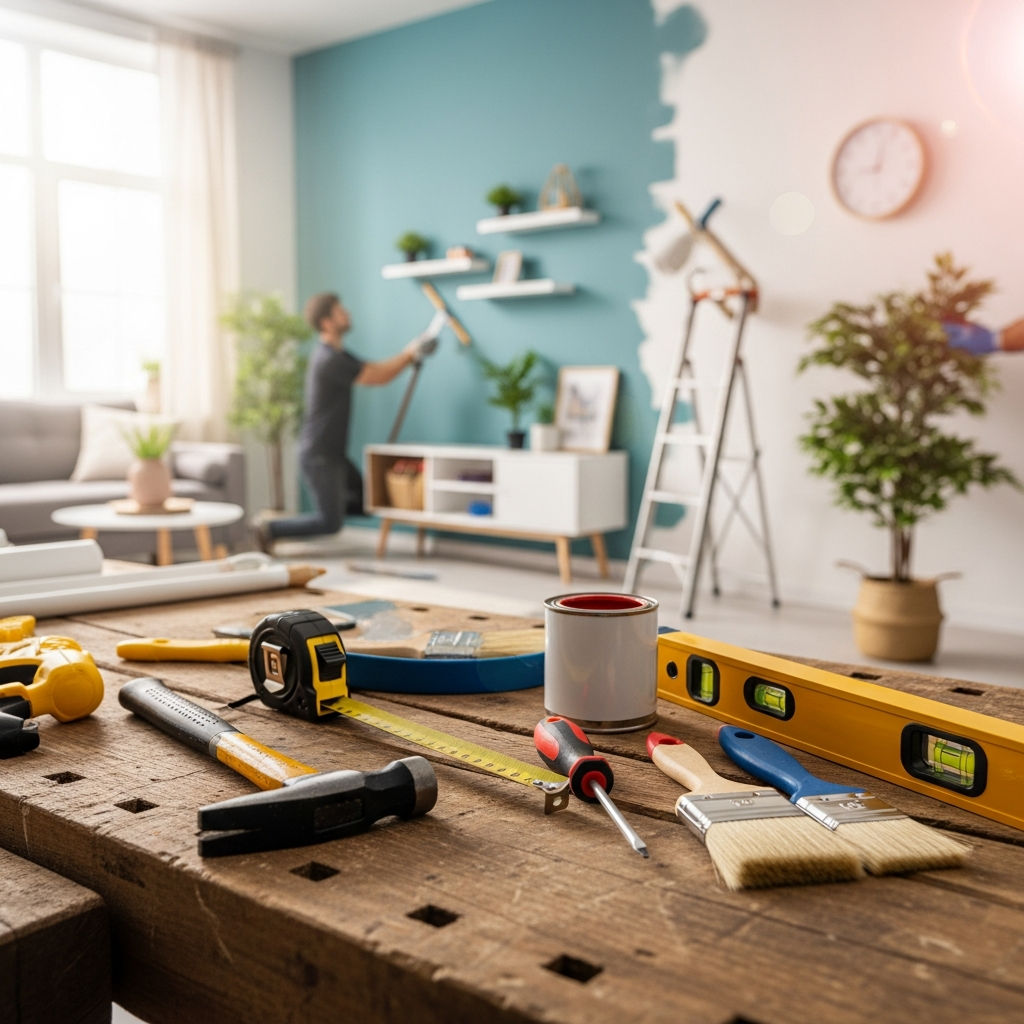
For DIY enthusiasts, the right tools make all the difference. Cheap tools often break or produce subpar results. Invest in a high-quality drill, a level, and a versatile saw. If a tool is too expensive for a one-time use, consider renting it from a local hardware store.

5. Focus on the “Golden Triangle” in Kitchens

When renovating a kitchen, keep functionality in mind. The “Golden Triangle” refers to the distance between the sink, the stove, and the refrigerator. Ensuring these three points are easily accessible will make your kitchen much more efficient to work in.

6. Reface Rather Than Replace Cabinets

If your kitchen cabinets are structurally sound but look dated, don’t tear them out. Refacing them—replacing only the doors and drawer fronts—can save you thousands of dollars while giving the room a brand-new appearance.

7. Update Hardware for an Instant Lift

One of the easiest and cheapest ways to improve your home is by replacing old cabinet knobs, drawer pulls, and door handles. Swapping out tarnished brass for modern matte black or brushed nickel can modernize a room in minutes.

8. Apply a Fresh Coat of Paint

Paint is the most cost-effective tool in the home improvement arsenal. A fresh coat of neutral paint can make a room feel larger, cleaner, and more inviting. Don’t forget the ceiling; a bright white ceiling can significantly “lift” a room.

9. Use Mirrors to Create the Illusion of Space

If you have a small room or a dark hallway, use mirrors. Placing a large mirror opposite a window reflects natural light and makes the space feel twice as big as it actually is.

10. Upgrade to LED Lighting

Replace old incandescent bulbs with LEDs. They last longer, consume less energy, and come in various color temperatures. Layer your lighting with a mix of ambient, task, and accent lights to create depth in your interior design.

11. Don’t Overlook the Power of Grout

Old, stained grout can make even the most expensive tile look cheap. Use a grout saw to remove old filler and apply fresh grout, or use a grout pen to brighten existing lines. It’s a tedious task that yields professional-looking results.

12. Improve Energy Efficiency with Insulation

Home improvement isn’t just about what you can see. Adding insulation to your attic or crawlspace can significantly reduce your heating and cooling bills, making your home more comfortable year-round.

13. Seal Air Leaks

Use caulk and weatherstripping to seal gaps around windows and doors. This simple weekend project prevents drafts and reduces the strain on your HVAC system, saving you money in the long run.

14. Install a Programmable Thermostat

A smart or programmable thermostat allows you to control your home’s temperature based on your schedule. This modern upgrade is highly attractive to tech-savvy buyers and helps reduce monthly utility costs.

Content Illustration

15. Enhance Your Curb Appeal

First impressions matter. Improve your home’s exterior by painting the front door a bold color, installing modern house numbers, and ensuring your mailbox is in good repair. A well-maintained exterior suggests a well-maintained interior.

16. Invest in Landscaping

You don’t need a professional landscaper to make an impact. Trim overgrown bushes, add a fresh layer of mulch to flower beds, and plant perennials that will return year after year. A manicured lawn is a major selling point.

17. Power Wash Exterior Surfaces

Over time, dirt, mold, and grime build up on siding, driveways, and decks. Renting a power washer for a day can strip away years of buildup, making your home look like it has a fresh coat of paint without the high cost.

18. Create an Outdoor Living Space

Extend your living area by creating a functional outdoor space. Whether it’s a simple gravel patio with a fire pit or a full wooden deck, outdoor “rooms” are highly sought after and increase the usable square footage of your property.

19. Declutter with the “One-In, One-Out” Rule

Home improvement often starts with removal. Adopt the rule that for every new item you bring into your home, one old item must be donated or discarded. This prevents clutter from overshadowing your beautiful renovations.

20. Update Window Treatments

Heavy, outdated drapes can make a room feel claustrophobic. Replace them with light-filtering cellular shades, wooden blinds, or simple linen curtains. This allows more natural light to enter and modernizes the room’s silhouette.

21. Install a Tiled Backsplash

A kitchen backsplash is a perfect DIY project. It protects your walls from spills and provides an opportunity to introduce color and texture. Peel-and-stick tiles are a great low-commitment option, while ceramic tiles offer a classic, durable finish.

22. Maximize Storage Solutions

Incorporate built-in shelving or organizational systems in closets. Efficient storage makes a home feel more organized and larger. Look for “dead space” under stairs or in corners that can be converted into shelving.

23. Check and Update Safety Features

Home improvement should always include safety. Test your smoke and carbon monoxide detectors. If they are more than ten years old, replace them. Ensure you have a fire extinguisher in the kitchen and that all family members know how to use it.

24. Deep Clean the Gutters

It’s not glamorous, but it is essential. Clogged gutters can lead to water damage, roof leaks, and foundation issues. Ensure water is being diverted at least three feet away from your home’s foundation.

25. Know When to Call a Professional

One of the best home improvement tips is knowing your limits. While painting a room is a great DIY task, major electrical work or knocking down load-bearing walls should be left to licensed professionals. Doing it wrong can be dangerous and much more expensive to fix later.

26. Document the Process

Take “before” and “after” photos of every project. This is not just for social media; it provides a record of the work done, which can be useful for insurance purposes or when showing the value of improvements to potential buyers in the future.

Conclusion

Improving your home is a marathon, not a sprint. By following these 26 tips, you can approach your home improvement projects with confidence and clarity. Remember to plan thoroughly, focus on quality, and don’t be afraid to start small. Whether you are aiming for a modern aesthetic or simply want to increase your home’s efficiency, every small change contributes to a better living environment. Start with one project today and watch how your home transforms over time.

50 Complete Tips to Improve Your Home Improvement: Boost Value and Style

Hero Image

50 Complete Tips to Improve Your Home Improvement: Boost Value and Style

Home improvement is more than just a weekend hobby; it is a strategic investment in your property’s value and your personal quality of life. Whether you are looking to sell your home soon or simply want to create a more functional living space, knowing where to start can be overwhelming. To help you navigate the process, we have compiled 50 complete tips to improve your home improvement projects, ranging from minor aesthetic tweaks to major structural upgrades.

Enhancing Kitchens and Bathrooms for Maximum ROI

Kitchens and bathrooms are often considered the heart of the home. These rooms typically offer the highest return on investment (ROI) during a resale. Here are ten tips to elevate these spaces:

  • 1. Apply a fresh coat of paint: Neutral tones can make small kitchens and baths feel much larger and cleaner.
  • 2. Swap out cabinet hardware: Replacing dated handles and knobs with modern brushed brass or matte black finishes creates an instant update.
  • 3. Install a peel-and-stick backsplash: This is a cost-effective way to add texture and color without the mess of traditional tiling.
  • 4. Update the kitchen faucet: A high-arc, pull-down faucet adds both functionality and a luxury feel.
  • 5. Re-grout tile floors: Fresh white or light gray grout can make old tiles look brand new.
  • 6. Add under-cabinet lighting: LED strips enhance visibility for cooking and add a premium ambiance.
  • 7. Reface instead of replace: If your cabinet boxes are solid, simply replacing the doors saves thousands compared to a full remodel.
  • 8. Update the toilet seat: A slow-close, modern toilet seat is a small change that guests will notice.
  • 9. Frame the bathroom mirror: Adding a simple wood frame around a builder-grade mirror adds character.
  • 10. Upgrade the showerhead: A rainfall showerhead or a high-pressure wand improves the daily showering experience significantly.

Transforming Living Spaces and Bedrooms

Your living areas and bedrooms should be sanctuaries of comfort. These tips focus on interior design and atmosphere to make your home feel more cohesive.

  • 11. Declutter ruthlessly: A clean home always looks more expensive. Use the “one-in, one-out” rule for decor.
  • 12. Use area rugs to define spaces: In open-concept homes, rugs help separate the dining area from the lounging area.
  • 13. Install crown molding: This classic architectural detail adds a sense of “completeness” to any room.
  • 14. Switch to dimmable switches: Controlling light intensity allows you to set the mood for different times of the day.
  • 15. Create a focal point wall: Use wallpaper, wood slats, or a bold paint color on one wall to draw the eye.
  • 16. Refinish hardwood floors: Sanding down old scratches and applying a modern stain can breathe new life into your home.
  • 17. Update window treatments: Replace heavy, dated drapes with airy linens or modern cellular shades.
  • 18. Incorporate indoor plants: Greenery improves air quality and adds a vibrant, organic element to your decor.
  • 19. Use mirrors to create space: Placing a large mirror opposite a window reflects light and makes rooms feel twice as big.
  • 20. Standardize your light fixtures: Ensure the metal finishes of your lamps and overhead lights match throughout the house.

Boosting Curb Appeal and Outdoor Living

The exterior of your home is the first thing people see. Curb appeal is essential for making a great first impression and increasing your home’s marketability.

Content Illustration
  • 21. Repaint the front door: A pop of color like navy blue, sage green, or classic black can drastically change the home’s “face.”
  • 22. Power wash everything: Clean your driveway, siding, and walkways to remove years of dirt and grime.
  • 23. Plant perennials: These flowers come back every year, providing beauty with less recurring work.
  • 24. Install low-voltage landscape lighting: Path lights and uplights on trees make your home look stunning at night.
  • 25. Update house numbers: Choose a font that matches your home’s architectural style (e.g., modern sans-serif for contemporary homes).
  • 26. Add a window box: Filling these with seasonal flowers adds charm and color to the exterior.
  • 27. Clean out your gutters: It’s not glamorous, but it prevents water damage and shows the home is well-maintained.
  • 28. Mulch your garden beds: Fresh dark mulch makes even a simple garden look professionally landscaped.
  • 29. Repair the fence: Fix leaning posts and replace broken pickets to ensure your property looks secure.
  • 30. Create an outdoor “room”: A simple rug and a few chairs on a patio can extend your living space outdoors.

Energy Efficiency and Smart Home Upgrades

Modern home improvement isn’t just about looks; it’s about performance. Lowering your utility bills and increasing convenience are major wins.

  • 31. Switch to LED bulbs: They last longer and use significantly less energy than incandescent bulbs.
  • 32. Seal air leaks: Use caulk or weatherstripping around windows and doors to keep heat in during winter and cool air in during summer.
  • 33. Add attic insulation: This is one of the most cost-effective ways to reduce heating and cooling costs.
  • 34. Install a smart thermostat: Devices like Nest or Ecobee learn your schedule and optimize energy usage.
  • 35. Upgrade to low-flow fixtures: Save on water bills with efficient showerheads and toilets.
  • 36. Use motion-sensor lights: Great for hallways and exteriors, these ensure lights aren’t left on unnecessarily.
  • 37. Invest in ENERGY STAR appliances: When it’s time to replace a fridge or dishwasher, choose the most efficient model.
  • 38. Install ceiling fans: Fans help circulate air, allowing you to set the thermostat a few degrees higher in summer.
  • 39. Smart plugs for “vampire” power: Use smart plugs to completely cut power to electronics that drain energy even when off.
  • 40. Solar-powered path lights: These require no wiring and run entirely on renewable energy.

Essential Maintenance and Organization

Preventative maintenance is the ultimate home improvement. By taking care of the small things, you prevent them from becoming expensive disasters later.

  • 41. Check smoke and CO detectors: Test these monthly and change batteries twice a year.
  • 42. Clean your dryer vent: This prevents fires and helps your dryer run more efficiently.
  • 43. Service your HVAC system: Annual professional check-ups extend the life of your furnace and AC.
  • 44. Touch up paint chips: Walk through your home with a small brush and leftover paint to fix scuffs.
  • 45. Lubricate squeaky hinges: A little WD-40 or silicone spray makes doors feel smoother and newer.
  • 46. Organize the garage: Use wall-mounted racks to get items off the floor and maximize storage.
  • 47. Inspect the roof: Look for missing shingles or signs of wear after every major storm.
  • 48. Tighten loose doorknobs: It takes 30 seconds but makes the home feel much more solid.
  • 49. Flush the water heater: Removing sediment buildup once a year helps it last longer and run quieter.
  • 50. Create a home maintenance calendar: Track when filters were changed and when the deck was last sealed to stay on top of tasks.

Conclusion

Improving your home doesn’t always require a massive budget or a team of contractors. By following these 50 tips, you can tackle small projects that yield big results over time. Start with the “low-hanging fruit”—like painting and decluttering—and gradually move toward more significant upgrades. Remember, the best home improvement projects are the ones that make your daily life more enjoyable while protecting your biggest financial asset. Happy renovating!

Is Home Improvement Still Relevant? 34 Facts That Prove It Is

Hero Image

Is Home Improvement Still Relevant? 34 Facts That Prove It Is

In an era of fluctuating interest rates and a volatile real estate market, many homeowners are asking a critical question: Is home improvement still relevant? A few years ago, during the height of the “stay-at-home” era, the answer was a resounding yes. But as the world returns to a new normal, the motivation behind renovations has shifted from necessity to strategy.

Home improvement is no longer just about aesthetics; it is about equity, sustainability, and mental well-being. Whether you are looking to sell or planning to stay in your “forever home,” the data shows that upgrading your living space remains one of the smartest financial and personal moves you can make. Here are 34 facts that prove home improvement is more relevant than ever.

The Economic Impact and ROI

For most people, a home is their largest financial asset. Home improvement is the primary vehicle for protecting and growing that investment. The following facts highlight the financial power of renovation:

  • Fact 1: Home equity in the United States is at an all-time high, giving millions of homeowners the “dry powder” needed to fund renovations without high-interest personal loans.
  • Fact 2: A garage door replacement consistently offers one of the highest Returns on Investment (ROI), often recouping over 100% of its cost at resale.
  • Fact 3: Minor kitchen remodels return an average of 72% to 75% of their investment, making them a top priority for value-focused owners.
  • Fact 4: Interest rates are currently making “staying put and improving” more financially viable than “selling and buying” a new property at a higher mortgage rate.
  • Fact 5: Professional landscaping can boost a home’s resale value by 10% to 12% compared to homes with neglected yards.
  • Fact 6: The global home improvement market is projected to surpass $600 billion by 2025, signaling massive consumer confidence.
  • Fact 7: Real estate experts agree that a “move-in ready” home sells faster and for a higher premium than a “fixer-upper” in a cooling market.

The Lifestyle Shift: Work, Play, and Multi-Generational Living

The way we use our homes has fundamentally changed. We no longer just sleep in our houses; we work, exercise, and host in them. This shift has made specific types of home improvements essential.

  • Fact 8: Over 90% of homeowners plan to perform some level of renovation in the next two years to accommodate lifestyle changes.
  • Fact 9: The “Home Office” has moved from a luxury to a necessity, significantly increasing a home’s desirability for remote and hybrid workers.
  • Fact 10: Outdoor kitchens and “staycation” backyards are among the most requested luxury upgrades, as people prioritize home-based entertainment.
  • Fact 11: “Age-in-place” renovations, such as walk-in tubs and widened doorways, are surging as the Baby Boomer generation chooses to stay in their homes longer.
  • Fact 12: Multi-generational living is on the rise, leading to a boom in Accessory Dwelling Units (ADUs) or “granny flats.”
  • Fact 13: The “open floor plan” is being re-evaluated; “broken-plan” living, which uses partitions and shelving to create private nooks, is becoming more popular for acoustic privacy.
  • Fact 14: Mudrooms and organized entryways have become “must-haves” for modern families looking to manage daily clutter.

Sustainability and Energy Efficiency: The New Standard

With rising energy costs and a growing focus on environmental impact, “green” home improvements are no longer niche—they are the new standard for relevance.

Content Illustration
  • Fact 15: Replacing old windows with Energy Star-certified models can save homeowners an average of 12% on their annual energy bills.
  • Fact 16: Solar panel installations can increase a home’s value by an average of 4%, depending on the state and local market.
  • Fact 17: Smart thermostats can pay for themselves in as little as two years through reduced heating and cooling costs.
  • Fact 18: Gen Z and Millennial homebuyers are 65% more likely to pay a premium for a home with sustainable materials like bamboo flooring or recycled countertops.
  • Fact 19: Switching to LED lighting throughout a home reduces energy consumption by up to 75% compared to traditional incandescent bulbs.
  • Fact 20: High-efficiency toilets can save a family of four up to 13,000 gallons of water per year.
  • Fact 21: Federal tax credits, such as those in the Inflation Reduction Act, provide massive incentives for homeowners to upgrade to heat pumps and high-efficiency insulation.

Psychological Benefits and Mental Health

The relevance of home improvement isn’t just about the structure; it’s about the person living inside it. Our environment dictates our mood, productivity, and stress levels.

  • Fact 22: 73% of homeowners report a sense of “personal achievement” and improved happiness after completing a DIY home project.
  • Fact 23: Clutter-free and organized environments are scientifically proven to lower cortisol (stress hormone) levels.
  • Fact 24: Improvements that maximize natural light are linked to better sleep quality and higher serotonin levels in residents.
  • Fact 25: Biophilic design—integrating plants and natural textures—has been shown to reduce anxiety and improve cognitive function.
  • Fact 26: Painting a room is cited as the most cost-effective way to completely transform the “mood” of a space.
  • Fact 27: Dedicated ergonomic setups in home offices prevent chronic back pain and repetitive strain injuries.
  • Fact 28: Modern, well-designed kitchens encourage families to cook at home, which is linked to better nutritional habits and lower obesity rates.

Industry Trends and Technological Integration

Finally, the “how” of home improvement is evolving. Technology is making it easier and more efficient to upgrade our living spaces.

  • Fact 29: Smart home security systems (cameras and smart locks) can lower homeowner insurance premiums by up to 15%.
  • Fact 30: Smart leak sensors can prevent tens of thousands of dollars in water damage by alerting homeowners to a burst pipe instantly.
  • Fact 31: DIYers now spend over $400 billion annually in the U.S. alone, fueled by the accessibility of online tutorials.
  • Fact 32: Advances in 3D printing and modular construction are beginning to make home additions faster and 20% cheaper than traditional methods.
  • Fact 33: Social media platforms like TikTok and Pinterest have become the #1 source of inspiration, leading to a “democratization of design” where anyone can learn professional techniques.
  • Fact 34: Full home automation—integrating lighting, climate, and sound—can increase a home’s appraisal value by 3% to 5% in tech-forward markets.

Conclusion: The Verdict on Relevance

So, is home improvement still relevant? The data suggests it is more than just relevant—it is essential. Whether we are talking about the **$600 billion market size** or the **73% of people who feel happier** after a renovation, the evidence points toward a world where the home is the center of our financial and emotional lives.

Investing in your home is no longer a vanity project. It is a strategic move to lower your energy bills, protect your mental health, and ensure that your largest asset continues to grow in value. In a world of uncertainty, the one thing you can control is the four walls around you. That makes home improvement one of the most relevant activities of the 21st century.

4 Types of Irrigation Systems for Lawn Care

Ensuring your lawn stays lush and healthy throughout the year requires the right irrigation system. Here are four types of irrigation systems that can transform your lawn care routine:

1. Spray Irrigation Systems: Ideal for smaller lawns or areas with frequent plantings, spray irrigation systems use sprinkler heads that spray water in a fixed pattern. They are versatile and effective for covering regular or irregularly shaped areas, providing even water distribution.

2. Drip Irrigation Systems: Known for their efficiency, drip irrigation systems deliver water directly to the root zone of plants through a network of tubing and emitters. This minimizes water loss due to evaporation and runoff, making it perfect for conserving water while maintaining healthy plants.

3. Rotary Irrigation Systems: Commonly used in larger lawn areas or agricultural settings, rotary irrigation systems feature rotating sprinkler heads that distribute water in a circular pattern. They are great for covering expansive areas efficiently and are often adjustable to accommodate different water pressure levels.

4. Soaker Hose Irrigation Systems: Designed for targeted watering, soaker hose systems deliver water directly to the soil along the length of the hose. They are ideal for flower beds, vegetable gardens, or narrow areas where precise watering is needed, promoting deep root growth and reducing surface evaporation.

Choosing the right irrigation system depends on factors such as the size of your lawn, plant types, and local climate. Each type offers unique benefits in terms of water efficiency, ease of installation, and customization. By selecting the appropriate irrigation system for your lawn care needs, you can ensure healthier plants, conserve water, and maintain a vibrant outdoor space year-round.

For expert advice on selecting and installing irrigation systems tailored to your lawn, contact The Landscape Company. They specialize in creating sustainable and efficient landscaping solutions that enhance the beauty and health of your outdoor environment.

This post was written by a professional at The Landscape Company. The Landscape Company has been providing quality landscape installation Erie CO since 1979. We have won numerous awards in the residential and commercial markets. Our personalized service has been our trademark and selling point. We take the time to listen to our valued clients and work with them to meet their unique landscape needs. We can develop a plan to meet not only your landscaping needs, but your budget as well. We Specialize in: Irrigation systems, Landscape Maintenance, Drainage, Full Landscape Install and Design

Kid-Friendly Closet Organization: Tips for Keeping Children’s Closets Neat

Does your child’s closet resemble a clothing explosion zone? The struggle to keep tiny clothes organized is real, but fear not! With a few clever hacks and a focus on accessibility, you can create a kid-friendly closet that fosters independence and (hopefully) reduces morning meltdowns.

Step One: Downsize and Declutter

Just like adults, kids accumulate clothes they don’t wear. Regularly purge outgrown items, stained garments, and clothes that no longer spark joy. Donate or sell gently-used pieces to make room for what they truly love (and wear!).

Step Two: Location, Location, Location

When organizing your child’s closet, think like a little person. Lower hanging rods and shelves should be placed at a height where they can easily reach and see their clothes. This empowers them to choose their outfits and put things away independently.

Step Three: Categorize for Clarity

Labeling is key! Use colorful bins, drawers, or shelves with clear labels featuring pictures or words your child can understand. This helps them categorize clothes by type (shirts, pants, pajamas) or occasion (school, playdate).

Step Four: Embrace Compartmentalization

Deep drawers can be a black hole for tiny clothes. Utilize drawer dividers or shelf risers to create compartments for socks, underwear, and other small items. Clear plastic bins within drawers allow them to see what’s inside and keep things organized.

Step Five: Hooks are Your Heroes

Hanging clothes is a great way to save space and keep wrinkles at bay. Install sturdy hooks at a low level for frequently worn items like jackets, backpacks, or everyday outfits. Encourage them to hang up their clothes after each wear, fostering a sense of responsibility.

Step Six: Make Shoe Storage Fun

Over-the-door shoe organizers are a space-saving solution, but consider their accessibility for younger children. Lower cubbies or labeled bins on the floor might be easier for them to manage.

Step Seven: Colorful Chaos Containment

Colorful baskets or bins are not just for looks – they’re perfect for corralling toys, accessories, or out-of-season clothes. Choose fun colors and patterns that appeal to your child, making putting things away less of a chore.

Step Eight: Maintain the Mayhem

Maintaining a kid-friendly closet requires ongoing effort. Involve your child in the decluttering process, turning it into a fun sorting game. Celebrate their successes in keeping things organized and be patient with any setbacks.

Step Nine: Make it Fun!

Don’t underestimate the power of a playful touch! Decorate the closet door with their favorite character or paint it a cheerful color. Add a full-length mirror for dress-up fun and to encourage self-confidence.

By implementing these kid-friendly organization hacks, you can create a space that empowers your child to take ownership of their clothes and fosters a sense of order in their little world. Remember, the goal is to create a system that works for your child and your family, making getting dressed a less stressful and more enjoyable experience for everyone.

This post was written by a professional at Castalia Collections. Castalia Collections, an interior designer in Miami that brings together a legacy of over 100 years of masterful Italian craftsmanship and bespoke traditions under one design house. Their goal as interior designers is to access to the world’s highest level of closet designs coral gables, bespoke furniture manufacturing, and finely curated building materials, achieving distinguished luxury projects and trend-forward products that only the Made in Italy heritage can offer.

Trusted Electrician Georgetown : Your Guide to Quality

Introduction:

In the bustling town of Georgetown, it can be challenging to find reliable and trustworthy electricians to take care of your electrical needs. However, fear not, as we have curated a guide to help you navigate the sea of options and find the best electrician in town. When it comes to something as essential as electrical work, you want to ensure quality and expertise every step of the way.

Why Choose an Electrician in Georgetown?

When it comes to electrical work, you want to make sure you are in the hands of professionals who know what they are doing. Choosing an electrician in Georgetown means you are working with experts who are familiar with the town’s unique layout and electrical needs. They are well-versed in local building codes and regulations, ensuring your project is done right the first time.

The Benefits of Choosing Georgetown’s Trusted Electricians

  1. Local Knowledge: Georgetown’s trusted electricians have a deep understanding of the town’s electrical infrastructure, allowing them to tackle any project with ease.
  2. Quality Workmanship: When you choose a reputable Electrician Georgetown, you can rest assured that the work will be done to the highest standards, ensuring your safety and satisfaction.
  3. Timely Service: Georgetown’s trusted electricians value your time and will always work efficiently to complete your project in a timely manner.
  4. Professionalism: From their appearance to their work ethic, Georgetown’s trusted electricians exude professionalism in every aspect of their service.

How to Find the Best Electrician in Georgetown

Finding the best electrician in Georgetown may seem like a daunting task, but with the right knowledge, you can make an informed decision. Here are some tips to help you find the perfect electrician for your needs:

  1. Ask for Recommendations: Reach out to friends, family, and neighbors for recommendations on electricians they have worked with in the past. Personal referrals are often the most reliable way to find a trustworthy electrician.
  2. Check Credentials: Ensure the electrician you choose is licensed, insured, and bonded. This will protect you in case of any accidents or mishaps during the project.
  3. Read Reviews: Take the time to read online reviews and testimonials from past clients. This will give you an idea of the electrician’s reputation and the quality of their work.
  4. Get Multiple Quotes: Don’t settle for the first electrician you come across. Get quotes from multiple electricians in Georgetown to compare prices and services.

Conclusion

When it comes to electrical work, quality should always be your top priority. By choosing Georgetown’s trusted electricians, you are ensuring that your project will be completed to the highest standards with professionalism and expertise. Don’t settle for anything less when it comes to your electrical needs. Choose Georgetown’s trusted electricians for a job well done every time.

How to Sell Your Vacant Land in Utah Quickly and Confidently

Utah is known for its stunning mountain ranges, desert landscapes, and fast-growing cities. Many people own land here, either as an investment, through inheritance, or because they once planned to build but never followed through. If you find yourself in this position, you may be wondering about the best way to sell your vacant land.

Selling land is very different from selling a house. There are fewer buyers, more complicated issues like zoning and access, and a longer average time on the market. But with the right approach, you can simplify the process, attract serious buyers, and close a deal faster than you might expect.

This guide will walk you through the ins and outs of selling vacant land in Utah, including the unique challenges you’ll face, the benefits of working with cash land buyers, and practical tips to make sure you get the most from your property.

Why Utah Landowners Choose to Sell

People decide to sell their vacant land for many reasons:

  • Carrying Costs: Even unused land has ongoing expenses such as property taxes, insurance, and sometimes HOA dues.
  • Inheritance: You may have inherited a parcel in Utah that you don’t plan to use or manage.
  • Relocation: If you’ve moved out of state, maintaining unused land can feel like more of a burden than an asset.
  • Financial Needs: Cash from selling land can be redirected toward paying debts, investing elsewhere, or funding life changes.
  • Unusable Land: Some parcels may be landlocked, rocky, or otherwise difficult to develop, making them less appealing for long-term ownership.

Whatever your reason, knowing your options will help you choose the best way to move forward.

Challenges in Selling Vacant Land

Unlike houses, vacant land doesn’t have kitchens, bathrooms, or curb appeal to entice buyers. You can’t host an open house or create a virtual tour. Instead, buyers look at utility access, zoning laws, and long-term development potential.

Some of the most common challenges when trying to sell your vacant land in Utah include:

  1. Limited Buyer Pool: Fewer people are actively looking for raw land compared to residential properties.
  2. Zoning and Regulations: Utah has strict zoning rules that may limit how the land can be used.
  3. Access Issues: Landlocked parcels without legal road access are harder to sell.
  4. Market Time: It can take months—or even years—for a buyer to appear through traditional listing methods.
  5. Financing Barriers: Many banks are hesitant to issue loans for undeveloped land, so buyers often need cash.

These hurdles explain why many landowners look beyond traditional real estate listings.

How Cash Buyers Can Help

A growing number of investors and companies specialize in buying land directly from owners. When you decide to sell your vacant land to these buyers, the process is usually much faster and easier. Here’s what that looks like:

Step 1: Share Property Information

You provide basic details like parcel size, location, zoning, and any known issues.

Step 2: Receive an Offer

After reviewing your land and public records, the buyer gives you a no-obligation cash offer.

Step 3: Title and Due Diligence

The buyer checks the title, verifies access, and reviews county records.

Step 4: Contract and Closing

If you accept the offer, both parties sign an agreement. Closing usually takes place through a title company, and the buyer often covers costs.

Step 5: Payment

Once the transaction is complete, you get paid—often within weeks, not months.

This process eliminates many of the delays and uncertainties associated with traditional land sales.

Benefits of Selling Vacant Land for Cash

When you choose to work with a cash buyer to sell your vacant land, you gain several advantages:

  • Speed: Transactions can close in a few weeks.
  • Simplicity: No listings, no showings, no long marketing campaigns.
  • Certainty: No risk of financing falling through.
  • As-Is Sales: Buyers accept the land in its current condition.
  • Lower Costs: Avoid agent commissions and reduce ongoing expenses.

For landowners who value time and convenience, these benefits can outweigh the potential for a higher—but slower—retail sale.

Utah-Specific Factors to Consider

Utah’s geography and regulations bring unique considerations when you’re ready to sell your vacant land:

  • Water Rights: Land with valid water rights is far more valuable.
  • Recreational Demand: Parcels near mountains, lakes, or trails appeal to outdoor enthusiasts.
  • Urban Expansion: Land close to Salt Lake City, Provo, or St. George may attract developers.
  • Rural Land Challenges: Remote parcels may still sell, but often at lower prices due to limited accessibility.
  • County Records: Each county has its own systems and fees for transferring land, which can affect closing.

Understanding these factors helps you set realistic expectations and negotiate effectively.

Tips to Maximize Your Sale

Whether you’re selling to a traditional buyer or a cash investor, here are practical steps to ensure you get the best deal when you sell your vacant land in Utah:

  1. Research Your Land’s Value: Look at recent sales in your county to understand market trends.
  2. Highlight Key Features: Road access, utilities, and proximity to growing towns add value.
  3. Resolve Issues Early: Pay back taxes or address easements before listing.
  4. Gather Documentation: Have maps, surveys, and zoning information ready.
  5. Seek Multiple Offers: Don’t settle for the first bid; compare at least two or three.
  6. Work With Professionals: Use a title company or attorney to ensure a smooth transfer.
  7. Decide Your Bottom Line: Know the minimum amount you’re willing to accept before negotiations.

Example Scenario

Imagine you own 10 acres of undeveloped land in central Utah. You inherited it years ago, but you’ve never used it and live in another state. Property taxes keep adding up, and the land has no road access.

Instead of listing it with a realtor, you contact a few cash buyers. One offers $8,500 with all closing costs covered, while another offers $9,200 but requires you to pay the title transfer fee. You choose the first option, and within 30 days, the transaction is complete.

By choosing the direct approach, you saved time, avoided extra costs, and converted unused property into cash without stress.

Final Thoughts

Deciding to sell your vacant land in Utah doesn’t have to be complicated. While traditional listings can take months or even years, cash buyers provide a faster and simpler option. The key is understanding your land’s value, exploring multiple offers, and working with trustworthy professionals.

By approaching the process strategically, you can turn unused property into financial flexibility—whether that means paying off debt, investing elsewhere, or simply letting go of a parcel that no longer fits your plans.

In short, selling vacant land in Utah is all about finding the right balance between value and convenience. With the right preparation and partners, you can close a deal confidently and move on to your next chapter.

How to Remove Your Tress Stump

It can be difficult to determine when you should remove a tree stump. Experts all agree that tree stump extraction has its pros and cons. It is important to understand exactly what you are doing.

You may have recently removed a large tree from your yard and want to get rid of the roots. You may have an old stump that has plagued your lawn for many years. Now you’d like to improve the landscaping.

There are many good reasons to remove a stump from a tree. The most important reasons are your safety, health and the safety of your family.

Once you have made your choice, it is easy to remove tree roots and stumps. Any arborist can do this.

You can now make an informed decision on whether or not tree stump removal is right for you.

Why are tree stumps removed?

Tree stumps can make your yard look unattractive. This is by far the most common cause. Stumps can make a beautiful yard look shabby. Tree stumps can quickly improve the appearance of your lawn.

Many people remove stumps to make their homes more attractive. If you’re a landscape enthusiast, a stump can take up space that could be used for other features or new growth.

It is possible to plant seeds to grow a new tree after speaking to a professional licensed in stump removal and root removal. There are several options. If your yard looks a bit messy, you might consider stump removal.

Tree roots can damage your home.

Tree roots will not damage pipes or sewer lines when they are viewed from the outside. However, if the tree root grows inside pipes that have already been damaged, it could cause a pipe rupture.

Water leaks can cause the roots to absorb more water, which can then lead to their spreading. It is essential to remove the stump by professionals in order to prevent roots from growing.

Protect your lawn against insects and decay

Tree stumps may cause decay in your yard and attract other animals. Termites and carpenter bugs can make tree stumps their home. The stump may spread disease to nearby trees and shrubs. Also, your wood may be at risk.

Fungi can infect tree stumps, which are very dangerous to children and pets. To prevent the spread of decay, mold and infected timber, it is best to remove your entire tree stump. This is vital for the health of your lawn.

Tree stumps are dangerous

It can be hard for kids to play in your yard when there are stumps and tree roots. Children running over tree roots and stumps could cause injury to visitors.

Untreated stumps can cause foundation damage and sidewalk damage. If a root has grown along the sidewalk in front of your home, it could be a danger to bikers and pedestrians. To keep your green area clean, it is essential to remove the stump immediately.

How can stumps and roots be removed?

You should consider the pros and cons before hiring a professional to remove your stumps. Although it may seem like a good idea, DIYers who remove stumps with a chain from their car could ruin beautiful lawns.

It is an easy way to remove bumpers. This method is not likely to remove the root or stump which are essential for proper removal.

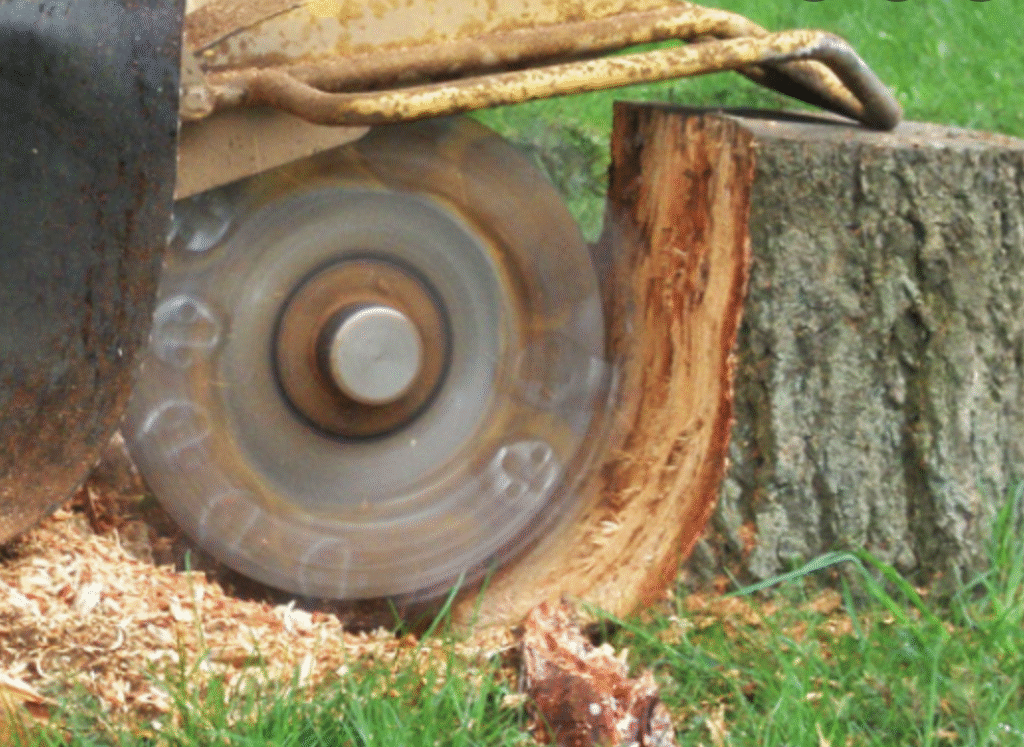
Hire a specialist with experience in removing stumps. Experts will know the best way to burn, decay and grind the stump. A specialist will be equipped with all necessary equipment to complete the job safely and minimally damage the surrounding grass.

The best way to remove a stump is with a stump crusher. Professionals will bring a grinder to your house. You can rent grinders at your local hardware store if you want to do it on your own. It takes only a few minutes.

The task is harder, even though it is cheaper to use a stump grinder machine. Professionals will drill holes in the stump to insert potassium nitrate. The potassium nitrate must penetrate the stump completely. This may take several days.

A professional will light the chemical mixture using a lighter. The flame won’t be large, but instead will smolder and become a manageable fire. Once it cools down, the stump can easily be removed.

Professional tree removal services will remove the stump no matter what.

This post was written by a professional arborist at Tree Removal Clearwater FL. Robert Miller is the owner of Arbor Wise Professional Tree Care, a locally owned and operated tree service company that offers superb lawn care by the most experienced Arborists. Arborwise Tree Services is a tree removal company that offers stump removal, tree pruning, stump grinding, fertilization, and tree restoration. We have an extraordinary lawn care industry notoriety covering the Pinellas county area.