
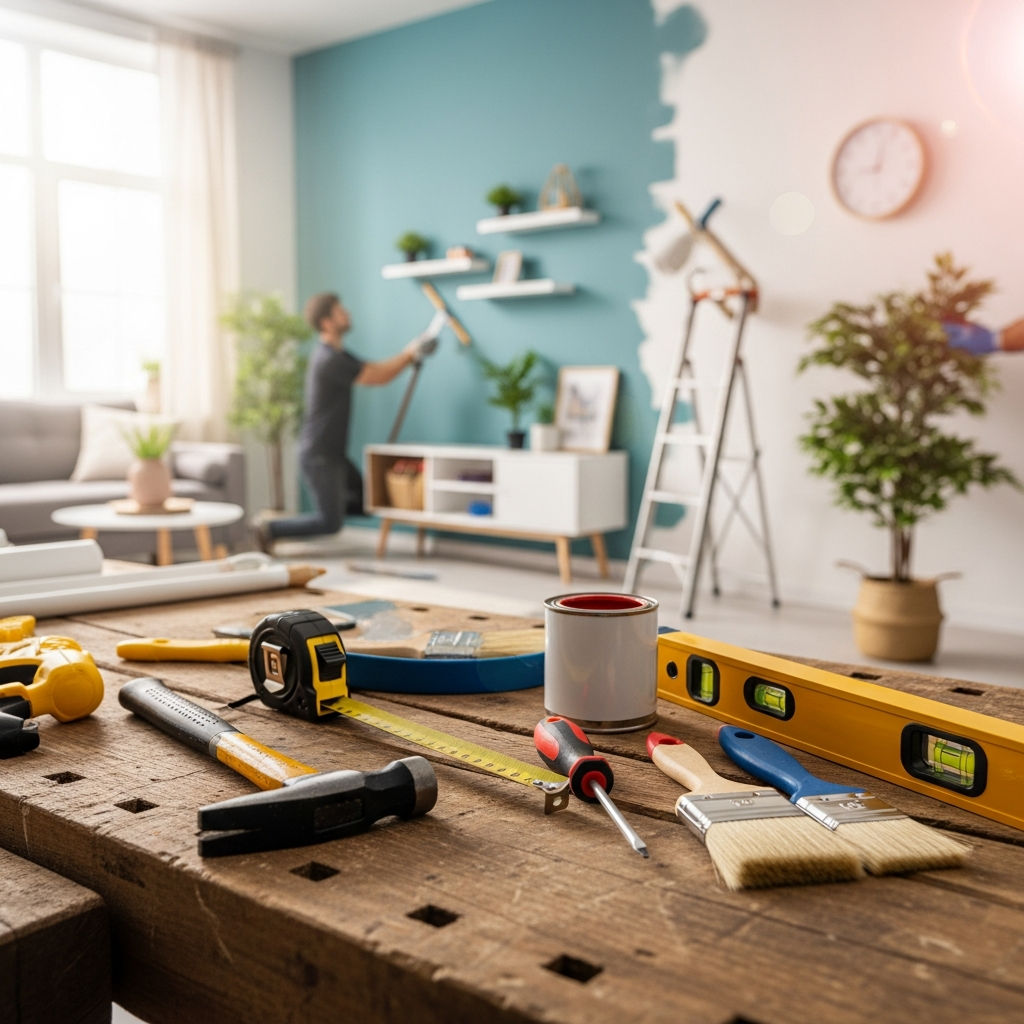
26 Expert Tips to Master Your Home Improvement Projects
Home improvement is more than just a weekend hobby; it is an investment in your comfort, your lifestyle, and your property’s market value. Whether you are planning a full-scale renovation or looking for small DIY projects to freshen up your space, having a clear roadmap is essential. Navigating the world of contractors, materials, and design trends can be overwhelming. To help you succeed, we have compiled 26 comprehensive tips to improve your home improvement journey, ensuring your projects are efficient, cost-effective, and beautiful.
1. Create a Realistic Budget and Stick to It
The foundation of any successful home improvement project is a solid budget. Determine how much you are willing to spend and research the costs of materials and labor beforehand. Always include a “cushion” of 10% to 20% for unexpected expenses, such as structural issues discovered behind walls.
2. Prioritize Projects by ROI
If you plan to sell your home in the future, focus on improvements that offer a high Return on Investment (ROI). Kitchen remodels, bathroom upgrades, and improving curb appeal typically offer the best financial returns compared to luxury additions like swimming pools.
3. Research Local Building Permits
Before you swing a hammer, check with your local municipality regarding permits. Many structural, electrical, and plumbing changes require legal approval. Failing to get a permit can lead to fines and complications when you try to sell your home.
4. Invest in Quality Tools
For DIY enthusiasts, the right tools make all the difference. Cheap tools often break or produce subpar results. Invest in a high-quality drill, a level, and a versatile saw. If a tool is too expensive for a one-time use, consider renting it from a local hardware store.
5. Focus on the “Golden Triangle” in Kitchens
When renovating a kitchen, keep functionality in mind. The “Golden Triangle” refers to the distance between the sink, the stove, and the refrigerator. Ensuring these three points are easily accessible will make your kitchen much more efficient to work in.
6. Reface Rather Than Replace Cabinets
If your kitchen cabinets are structurally sound but look dated, don’t tear them out. Refacing them—replacing only the doors and drawer fronts—can save you thousands of dollars while giving the room a brand-new appearance.
7. Update Hardware for an Instant Lift
One of the easiest and cheapest ways to improve your home is by replacing old cabinet knobs, drawer pulls, and door handles. Swapping out tarnished brass for modern matte black or brushed nickel can modernize a room in minutes.
8. Apply a Fresh Coat of Paint
Paint is the most cost-effective tool in the home improvement arsenal. A fresh coat of neutral paint can make a room feel larger, cleaner, and more inviting. Don’t forget the ceiling; a bright white ceiling can significantly “lift” a room.
9. Use Mirrors to Create the Illusion of Space
If you have a small room or a dark hallway, use mirrors. Placing a large mirror opposite a window reflects natural light and makes the space feel twice as big as it actually is.
10. Upgrade to LED Lighting
Replace old incandescent bulbs with LEDs. They last longer, consume less energy, and come in various color temperatures. Layer your lighting with a mix of ambient, task, and accent lights to create depth in your interior design.
11. Don’t Overlook the Power of Grout
Old, stained grout can make even the most expensive tile look cheap. Use a grout saw to remove old filler and apply fresh grout, or use a grout pen to brighten existing lines. It’s a tedious task that yields professional-looking results.
12. Improve Energy Efficiency with Insulation
Home improvement isn’t just about what you can see. Adding insulation to your attic or crawlspace can significantly reduce your heating and cooling bills, making your home more comfortable year-round.
13. Seal Air Leaks
Use caulk and weatherstripping to seal gaps around windows and doors. This simple weekend project prevents drafts and reduces the strain on your HVAC system, saving you money in the long run.
14. Install a Programmable Thermostat
A smart or programmable thermostat allows you to control your home’s temperature based on your schedule. This modern upgrade is highly attractive to tech-savvy buyers and helps reduce monthly utility costs.

15. Enhance Your Curb Appeal
First impressions matter. Improve your home’s exterior by painting the front door a bold color, installing modern house numbers, and ensuring your mailbox is in good repair. A well-maintained exterior suggests a well-maintained interior.
16. Invest in Landscaping
You don’t need a professional landscaper to make an impact. Trim overgrown bushes, add a fresh layer of mulch to flower beds, and plant perennials that will return year after year. A manicured lawn is a major selling point.
17. Power Wash Exterior Surfaces
Over time, dirt, mold, and grime build up on siding, driveways, and decks. Renting a power washer for a day can strip away years of buildup, making your home look like it has a fresh coat of paint without the high cost.
18. Create an Outdoor Living Space
Extend your living area by creating a functional outdoor space. Whether it’s a simple gravel patio with a fire pit or a full wooden deck, outdoor “rooms” are highly sought after and increase the usable square footage of your property.
19. Declutter with the “One-In, One-Out” Rule
Home improvement often starts with removal. Adopt the rule that for every new item you bring into your home, one old item must be donated or discarded. This prevents clutter from overshadowing your beautiful renovations.
20. Update Window Treatments
Heavy, outdated drapes can make a room feel claustrophobic. Replace them with light-filtering cellular shades, wooden blinds, or simple linen curtains. This allows more natural light to enter and modernizes the room’s silhouette.
21. Install a Tiled Backsplash
A kitchen backsplash is a perfect DIY project. It protects your walls from spills and provides an opportunity to introduce color and texture. Peel-and-stick tiles are a great low-commitment option, while ceramic tiles offer a classic, durable finish.
22. Maximize Storage Solutions
Incorporate built-in shelving or organizational systems in closets. Efficient storage makes a home feel more organized and larger. Look for “dead space” under stairs or in corners that can be converted into shelving.
23. Check and Update Safety Features
Home improvement should always include safety. Test your smoke and carbon monoxide detectors. If they are more than ten years old, replace them. Ensure you have a fire extinguisher in the kitchen and that all family members know how to use it.
24. Deep Clean the Gutters
It’s not glamorous, but it is essential. Clogged gutters can lead to water damage, roof leaks, and foundation issues. Ensure water is being diverted at least three feet away from your home’s foundation.
25. Know When to Call a Professional
One of the best home improvement tips is knowing your limits. While painting a room is a great DIY task, major electrical work or knocking down load-bearing walls should be left to licensed professionals. Doing it wrong can be dangerous and much more expensive to fix later.
26. Document the Process
Take “before” and “after” photos of every project. This is not just for social media; it provides a record of the work done, which can be useful for insurance purposes or when showing the value of improvements to potential buyers in the future.
Conclusion
Improving your home is a marathon, not a sprint. By following these 26 tips, you can approach your home improvement projects with confidence and clarity. Remember to plan thoroughly, focus on quality, and don’t be afraid to start small. Whether you are aiming for a modern aesthetic or simply want to increase your home’s efficiency, every small change contributes to a better living environment. Start with one project today and watch how your home transforms over time.